
Whoa!
I picked up my first Tangem card at a conference and felt immediate relief.
It was weirdly tactile — a credit-card sized slab that fit in my wallet the same way a grocery card does, and that familiarity mattered more than I expected.
Initially I thought a hardware wallet had to be a clunky gadget with cables and menus, but then I realized that a card that uses NFC changes the whole mental model for security and daily use.
My instinct said: this could actually get adoption right where most things fail — the friction point between human habits and cryptographic best practices.
Really?
Yeah — seriously.
The card wakes with a single tap, no Bluetooth pairing drama, no seed words you have to memorize or scribble in a shoebox.
On one hand that simplicity is seductive; on the other, it forces you to think differently about backups and recovery, because the usual “write the 24 words” pattern isn’t front and center.
So I dug deeper into how Tangem manages keys, transactions, and what it actually means for everyday people who want to hold their own keys without getting a headache.
Hmm…
Let me be blunt: the Tangem approach bothers purists and thrills newcomers.
The private key is baked into the secure element inside the card and never leaves it — that atomic security claim is very very important for trust.
But here’s the nuance—there are design trade-offs, like single-device dependency and the subtleties of multisig or social recovery workarounds, which means you have to plan backups differently than with a seed phrase that you can split into parts.
On balance, though, the UX gains are real: a tap for verification, a swipe to pay, and a mental model that maps to how people already carry things.
Whoa!
Okay, so check this out — in practice I used a Tangem card for both day-to-day small payments and for cold storage of larger positions (yes, I mix strategies).
Initially I thought it would be fragile, but the card is durable and water-resistant enough to survive a purse or a pocket for months; still, treat it like cash or a gift card: lose it and you’ll feel that sting.
Actually, wait — let me rephrase that: losing it doesn’t automatically mean ruin if you’ve implemented prudent recovery steps, but losing it without a recovery plan is a disaster in the crypto world, which is unforgiving by design.
On the security front, Tangem’s firmware uses a secure element that resists common attacks, though no device is invulnerable; on the business front, their model avoids custodial risk which I like because I’m biased toward self-custody even when it’s messier.
Really?
Yes — and here’s what bugs me about the broader landscape: most wallet onboarding still assumes users enjoy doing mental gymnastics with seed phrases, when in reality people want simple actions.
Something felt off about every “do these 24 words” walkthrough I saw because people either copy them poorly or store them in obvious places — a post-it under a keyboard is still a post-it.
Tangem flips that by making the hardware itself a unit of custody, which lowers everyday friction and reduces common user errors, though it raises questions about how to architect backups that match the card’s convenience.
I like systems that nudge humans toward safer behavior, and a card that resembles a real wallet item does that well.
Whoa!
On the technical side, NFC is elegant because it’s passive — the card draws power from the phone’s NFC field, which means no batteries.
That simplicity reduces attack surface compared to wireless chips that stay awake and listen, but there are trade-offs in terms of how you can use it with different devices and environments; sometimes an Android or iPhone model can influence the UX slightly, which is annoying.
On the policy and compliance layer, Tangem’s architecture is neutral: it provides keys to the holder without custodial gateways, so regulatory conversations shift to the software or custodial services you pair with, rather than the card itself.
If you’re in the US and travel a ton, that non-custodial, pocketable card feels reassuring — just be mindful of airport security and local customs about electronics if you carry large exposures.
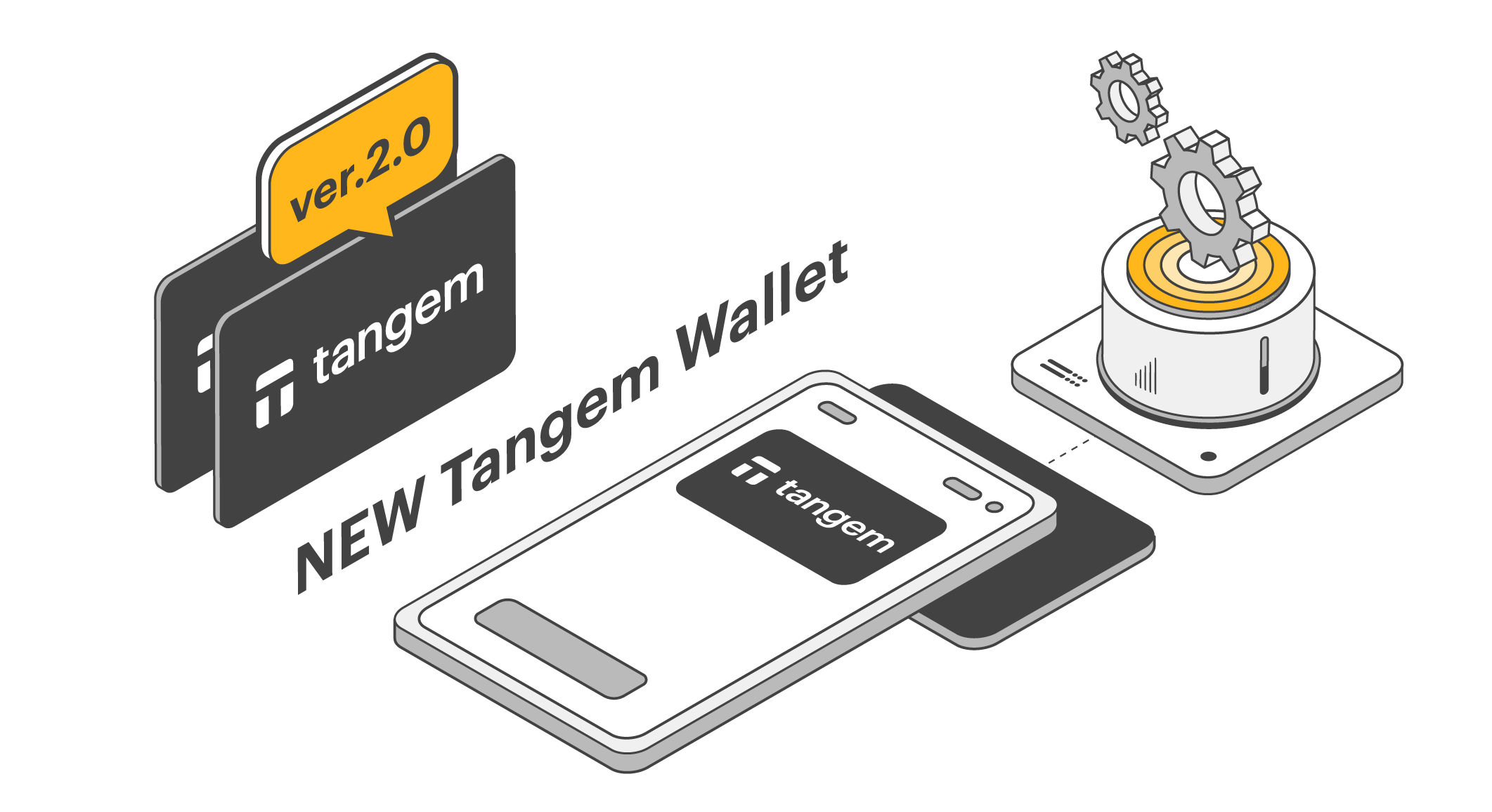
How to think about using a Tangem card safely
Here’s the thing.
Plan for redundancy but avoid overcomplicating things.
One sensible pattern is to treat the Tangem card as your daily signer and have an additional cold backup — this could be another Tangem card stored in a safety deposit box or a hardware-agnostic multisig setup with devices in separate geographic locations.
If you want a quick primer or to see their official flow, check this out here — it helped me map what a practical setup looks like without drowning in jargon.
Whoa!
I’m not 100% sure about every vendor claim, and there are gaps in public audits for many devices — somethin’ to watch for.
On one hand Tangem emphasizes a closed-loop secure element and rigorous manufacturing; though actually, the supply chain and firmware trust model are areas where users should demand transparency and occasional third-party audits.
I’m biased toward devices that publish more evidence and that let independent researchers poke around; that pressure helps improve the ecosystem for everyone.
Still, if you want a card-style experience that reduces human error, Tangem is one of the most pragmatic choices available today.
FAQ
Q: What happens if I lose my Tangem card?
A: If you’ve only got a single card and no backup, losing it means losing access to the funds it controls — that’s crypto reality.
But you can mitigate that by using a second Tangem card stored in a different place, or by building a multisig setup that requires multiple signers (which can include another card, a hardware wallet, or a trusted co-signer).
Plan like you would for cash or keys: geographic redundancy, and a recovery plan that you can actually follow when stressed.
Q: Can I use a Tangem card with my phone?
A: Yes. Most modern smartphones with NFC can interact with Tangem cards for signing and transaction confirmation.
The exact UX varies a bit by app and mobile OS, so test it with a small amount first.
Also, remember that app permissions and phone security still matter — a secure card doesn’t replace safe phone habits.
LEAVE A COMMENT