
Understanding psychological triggers in gambling behavior
Defining Psychological Triggers in Gambling
Psychological triggers in gambling refer to specific emotional or cognitive cues that prompt individuals to engage in gambling activities. These triggers can stem from various sources, including personal experiences, environmental factors, and social influences. For many, gambling might serve as an escape from stress, boredom, or emotional pain, providing a temporary high that can quickly lead to habitual behavior. Understanding these triggers is essential for identifying the risks associated with gambling and the potential for developing harmful habits. A useful resource for exploring different gaming experiences can be found at https://nongambancasinos.co.uk/review/spinscastle/.
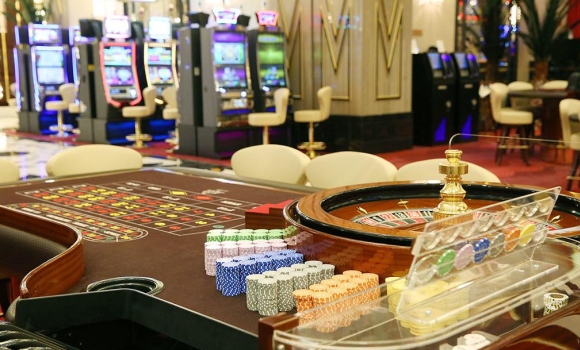
Triggers can be categorized into intrinsic and extrinsic factors. Intrinsic triggers include personal feelings, such as excitement or anxiety, which motivate an individual to gamble. Extrinsic triggers involve external stimuli, like advertisements or peer pressure, that encourage gambling behavior. For instance, seeing friends win at a casino can evoke feelings of competitiveness or desirability, leading one to engage in similar activities. Recognizing these different types of triggers is crucial for gamblers and those seeking to help them.
The interplay between triggers and gambling behavior can create a cycle that is difficult to break. When a person experiences a trigger, they often respond by gambling, which can temporarily satisfy emotional needs. However, this satisfaction can lead to a greater desire for gambling as the individual seeks to replicate the positive feelings associated with it. Understanding this cycle is vital for both gamblers and support systems aiming to promote healthier behaviors and prevent addiction.
The Role of Emotions in Gambling
Emotions play a significant role in gambling behavior, influencing both decision-making and the experience of gambling itself. Feelings such as excitement, anticipation, and euphoria can enhance the thrill of gambling, creating a feedback loop where positive emotions lead to increased gambling. For instance, the adrenaline rush from a big win can be so exhilarating that individuals may find themselves compelled to gamble again to recapture that feeling. This emotional aspect can make it particularly challenging to resist gambling even when one is aware of the risks involved.
Conversely, negative emotions like stress, depression, or loneliness can also trigger gambling behavior. Many individuals turn to gambling as a coping mechanism, believing that it will provide temporary relief from their emotional struggles. This behavior is often fueled by the misconception that winning can alleviate their problems. However, this reliance on gambling for emotional relief can result in further financial and emotional distress, creating a vicious cycle that is difficult to escape.
Recognizing the emotional triggers behind gambling is vital for addressing problematic behavior. By understanding how emotions influence decision-making, individuals can better prepare themselves to cope with urges to gamble. Support systems, including therapy and counseling, can assist individuals in identifying and managing their emotions, ultimately fostering healthier coping strategies and reducing reliance on gambling.
Addiction and Its Psychological Underpinnings
Gambling addiction, often termed pathological gambling, is a serious condition characterized by an inability to control gambling behaviors despite negative consequences. The psychological underpinnings of this addiction can be complex, rooted in a range of factors including personality traits, genetics, and environmental influences. Those with impulsive or sensation-seeking personalities may be more susceptible to developing gambling problems, as they often seek out thrilling experiences without fully considering the risks involved.
Neuroscience also plays a crucial role in understanding gambling addiction. Research indicates that the brain’s reward system is significantly affected by gambling. The release of dopamine, a neurotransmitter associated with pleasure and reward, reinforces gambling behaviors, making individuals more likely to continue gambling despite adverse outcomes. This biological basis for addiction emphasizes the importance of recognizing gambling not only as a behavioral issue but also as a psychological and physiological one.
Effective treatment for gambling addiction requires a multifaceted approach, combining psychological support with behavioral therapies. Cognitive-behavioral therapy, for example, has proven effective in helping individuals recognize and change the thought patterns that lead to gambling. Additionally, support groups can provide a sense of community and understanding, enabling individuals to share their experiences and learn from one another. Addressing both psychological and emotional triggers is essential for achieving long-term recovery from gambling addiction.
The Influence of Environment on Gambling Behavior
The environment plays a crucial role in shaping gambling behavior, with factors such as location, social circles, and available resources significantly influencing an individual’s gambling habits. For example, individuals living in areas with a high concentration of casinos may be more likely to gamble regularly, as access and exposure increase. Additionally, environments that normalize gambling, such as peer groups that celebrate wins or encourage participation, can further reinforce gambling behaviors and lead to a higher risk of addiction.
Marketing and advertising strategies used by gambling establishments also contribute to the psychological triggers that lead to gambling behavior. Promotional campaigns often emphasize the excitement and luxury associated with gambling, making it more appealing to potential participants. These messages can create unrealistic expectations about winning, encouraging individuals to gamble in pursuit of the lifestyle depicted in advertisements. The normalization of gambling in popular culture further exacerbates this issue, blurring the lines between casual play and problematic behavior.
To mitigate the risks associated with environmental triggers, it’s crucial to foster awareness about responsible gambling. Education and outreach programs can help individuals recognize the potential dangers of their environments and encourage them to make informed decisions. By promoting healthier gambling habits and creating spaces that prioritize responsible play, communities can better support individuals in resisting unhealthy gambling behavior and its psychological triggers.
SpinsCastle and Responsible Gambling
SpinsCastle, an engaging online gaming platform, emphasizes the importance of responsible gambling, aiming to create a safe and enjoyable environment for all players. The platform offers a variety of casino games, from classic slots to interactive live dealer options, while implementing measures to promote healthy gaming behavior. By providing tools such as self-exclusion and deposit limits, SpinsCastle empowers players to maintain control over their gambling activities, fostering a positive experience.
In addition to promoting responsible gaming practices, SpinsCastle is committed to raising awareness about the psychological triggers associated with gambling behavior. By educating players on the potential risks and consequences of gambling, the platform helps individuals recognize their emotional and psychological responses, enabling them to make more informed decisions. This commitment not only enhances player well-being but also supports the broader goal of reducing gambling addiction.
Overall, SpinsCastle is dedicated to creating a balanced gaming experience that prioritizes player safety and enjoyment. With a user-friendly interface, generous promotions, and top-tier support, the platform ensures that players can engage in gambling responsibly. By understanding psychological triggers and promoting awareness, SpinsCastle contributes to a healthier gaming community where fun and responsibility go hand in hand.
LEAVE A COMMENT